In the Hill Country, water planning starts with heat, not mileage.
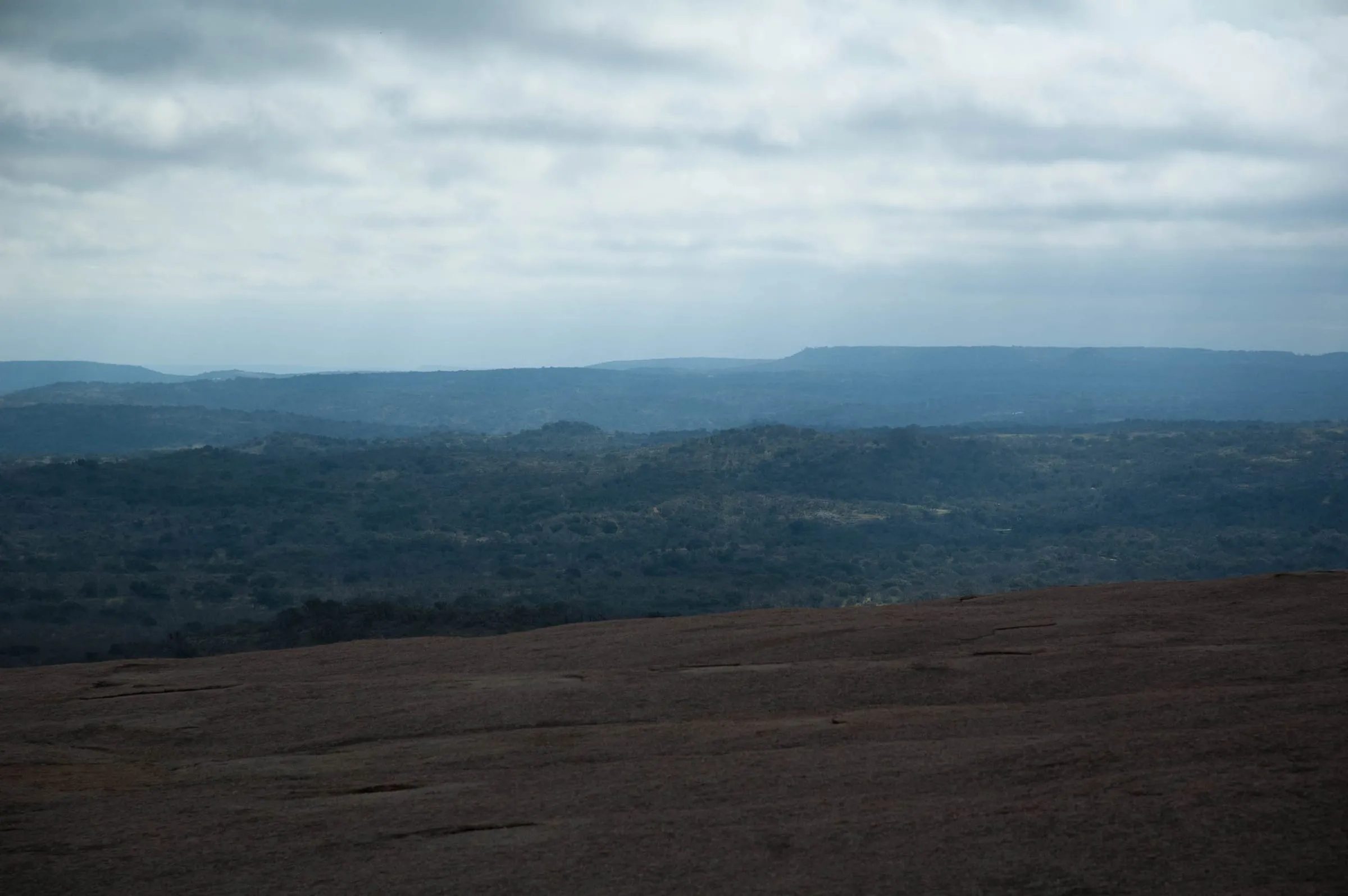
The Summit Trail at Enchanted Rock is only 0.8 miles, but TPWD’s own guided summit hike page says to bring 32 oz of water per hour per person. Do that math for a 90-minute July round trip and you are already past one standard bottle before you count the walk from the parking lot, time at the top, or the fact that most people start a little dehydrated anyway.
That is normal here. The trails are often short, but they are exposed, rocky, and hotter than they look on paper. Most people do not struggle because they chose the wrong premium bottle. They struggle because they packed for mileage instead of conditions.
This guide is built for that reality: when a hard bottle is enough, when a reservoir makes the day easier, and how to carry water in a way you will actually use.
Quick Picks
| Pick | Category | Best Hike Length | What It Solves |
|---|---|---|---|
| Nalgene 32 oz Wide Mouth Sustain | Hard bottle | Short hikes, backup carry | Simple, durable, dishwasher-safe, honest 32 oz |
| CamelBak M.U.L.E. Pro 14 | Hydration pack | Full-day and hot exposed hikes | 100 oz capacity, hands-free sipping, carry system |
| YETI Rambler 26 oz | Insulated hard bottle | Any hike where cold water matters | Keeps ice through a Texas morning |
| HydraPak reservoir (category) | Soft reservoir for packs | Medium to long days | Modular, lighter, easy to clean and store |
No single product is right for every Hill Country hike. The question is how hot the day will get, how long you will be outside, and whether you are the kind of hiker who drinks steadily or realizes too late that you never touched the second bottle.
How Much Water Do You Need for a Texas Hike?
Thirty-two ounces per hour per person is the TPWD benchmark from Enchanted Rock’s guided summit hike guidance. It is a useful local number because it comes from the exact kind of hike that tricks people into underpacking: short, steep, exposed, and hot. NPS hydration guidance adds the other half of the story: drink before you feel thirsty, because thirst shows up after you are already behind.
These two principles together change how you pack:
-
Size by hours, not miles. An 8-mile flat trail in cool morning air requires less water than a 2-mile summit in afternoon heat. The exposure and temperature matter more than the distance.
-
Start ahead. Drink before the trailhead, not just at it. A bottle you start with half-empty is already working against you.
-
Don’t rely on refill points unless you’ve confirmed they exist. Most Hill Country trail sections don’t have water on route. Check the specific park page (Enchanted Rock’s park page and trail information confirm no on-route water on the dome) before assuming you can top off mid-hike.
The practical Hill Country move is to pre-fill at home, top off in town, and treat any trailhead faucet as a bonus rather than part of the plan. On mixed water-and-hike days, stash a backup bottle in the car so the post-hike drive doesn’t start with an empty reservoir.
Running the numbers for Enchanted Rock: if two people spend 2.5 hours total outside between parking, hiking, and lingering at the top, they should start with at least 160 oz of water between them. That is five standard 32 oz bottles, or two mostly full hydration packs plus a backup bottle.
Most people bring two small bottles and wonder why they feel rough on the drive home.
Best Hard Water Bottles for Short Hikes
A good hard bottle is the right answer for shorter hikes, backup carry, or anyone who dislikes wearing a pack. The constraint is obvious: you can only carry what fits in your hand or pack pocket, which means capacity limits you to 32–64 oz on most day hikes unless you’re carrying multiple bottles.
Nalgene 32 oz Wide Mouth Sustain
The Nalgene 32 oz Wide Mouth Sustain is the utilitarian benchmark: durable, leakproof, dishwasher-safe, and easy to live with. The wide mouth makes it easy to load with ice before an early start. It will not keep water cold all morning, but it is simple, dependable, and easy to clean.
For a short early-morning Enchanted Rock summit or an easy loop at a shaded park, one or two of these is enough. For anything longer or hotter, carry two and add electrolytes, or graduate to a pack.
YETI Rambler 26 oz
When cold water isn’t optional, vacuum insulation is the answer. The YETI Rambler 26 oz (~$40) keeps ice for hours on a hot trail, which changes the experience on an exposed summer hike. Warm water still hydrates, but cold water cools you down from the inside, and the psychological effect of a cold sip is real.
The tradeoff: heavier, more expensive, and slightly less capacity than a 32 oz hard bottle. For summer Hill Country hiking, particularly Enchanted Rock’s dome where shade doesn’t exist and radiant heat from the granite is constant, the weight premium is worth it for most people.
Best Hydration Packs for Longer Texas Hikes
A hydration pack is not just extra capacity. It changes the way people drink. If water is right there at your shoulder, you sip more often and stay ahead of the heat instead of playing catch-up at the next trail junction.
CamelBak M.U.L.E. Pro 14 100oz
The M.U.L.E. Pro 14 (~$150) carries a 100 oz (3-liter) reservoir, more than three times what a single hard bottle holds. For a full-day exposed hike, for a family of two adults who each want their own carry system, or for anyone who knows from experience that they struggle to drink enough, this is the pick that removes the capacity problem from the equation.
The pack form factor also distributes the weight across your back instead of your hand, which matters over a few hours of hiking more than it does over 30 minutes. The M.U.L.E. Pro adds organizational pockets for the rest of your carry (phone, snacks, first aid) without requiring a full daypack.
HydraPak Reservoirs
HydraPak separates what most brands bundle: hard bottles, soft flasks, pack hydration, and cleaning gear are treated as distinct categories rather than one product line. Their reservoir and pack-hydration products are positioned around fast access, easy cleaning, and lightweight storage, which is useful framing if you’re deciding between a CamelBak-style integrated pack and a reservoir dropped into a daypack you already own.
If you have a daypack with a hydration sleeve, adding a HydraPak reservoir is the cheaper way to get pack hydration without buying an entirely new carry system. A good option if the M.U.L.E. Pro is more pack than you need for your typical hike length.
Water Bottle vs. Hydration Pack: Which Is Better?
This is not really a style decision. It is a day-shape decision:
Use hard bottles when:
- The hike is 2 hours or less in moderate heat
- You’re doing a short morning summit before the temperature peaks
- You want the simplest possible setup and already know you drink consistently
- You’re following a specific Enchanted Rock packing list for a fast-and-light morning
Use a hydration pack when:
- The hike is more than 2–3 hours in exposed Texas summer heat
- You’re hiking with kids who benefit from easy, hands-free access
- You’ve ever finished a hike more dehydrated than you expected
- You’re doing a longer day with river access, like at Pedernales Falls, where you want hands free for the rocky descent to the water
Use both when:
- You want a full reservoir for volume and an insulated bottle for cold electrolyte mix
- You want cold water and total volume on the same hike
There’s no wrong answer in the soft-to-moderate range. The wrong answer is a single 16 oz bottle on a 2-hour July hike at Enchanted Rock.
How to Clean and Maintain Your Hydration Pack
A hydration pack reservoir that doesn’t get cleaned properly develops taste and odor problems fast. Texas summer heat accelerates this considerably. A reservoir left damp in a hot car for a few days is not a pleasant experience the next time you open it.
The good news is that modern reservoirs are much less annoying to clean than older ones. Wide openings and easier access solve most of the misery. The basic routine:
- After every use: Empty completely, rinse with clean water, hang open to dry.
- After every few uses: Wash with warm soapy water or a cleaning tablet, rinse thoroughly, dry before storing.
- Before storing for the season: Make sure it’s fully dry. Residual moisture in a stored reservoir is mold waiting to happen.
Tube and bite-valve cleaning gets skipped most often. Brushes designed for reservoir tubes are cheap and fix the problem. If your water tastes like the previous hike, the tube is usually the source.
If a reservoir develops persistent odor despite cleaning, that’s a replacement, not a cleaning problem.
Do You Need Electrolytes for Summer Hiking?
Volume alone does not solve Hill Country hydration. If you are sweating hard for hours, you are losing sodium too, and plain water eventually stops being the whole answer.
The practical fix is simple: add an electrolyte mix to one of your bottles or carry something with salt. Powder packets are the lightest option. Salted snacks work. The brand matters less than having something.
The cleanest Hill Country setup for longer exposed days is often a reservoir with plain water plus one separate bottle for electrolytes. That keeps your main hydration volume easy to clean while still giving you a way to replace what you are sweating out.
NPS hydration guidance frames this as general good practice for outdoor activity in heat. For an Enchanted Rock summit on an 85°F morning, it’s a nice addition. For a four-hour summer day hike with real exertion, it moves from optional to recommended.
Essential Gear Checklist for Texas Summer Hikes
For a Hill Country summer day hike, hydration sits inside a broader carry that includes:
- Water volume matching the 32-oz-per-hour benchmark for the time you’ll be outside
- A real sunscreen application before the trailhead (not at the trailhead)
- Electrolyte addition for hikes over 2 hours
- A hat with a brim (the dome at Enchanted Rock will teach you why)
- Trail map or downloaded park map in case signal is thin
Hydration gear does not solve the whole day, but it is the mistake that shows up fastest. Get the water wrong on an exposed granite dome and everything else gets harder in a hurry.
For short and mellow days where you’re still building the kit, the best easy hikes in the Hill Country has trail options that give you room to dial in gear without a punishing test case.