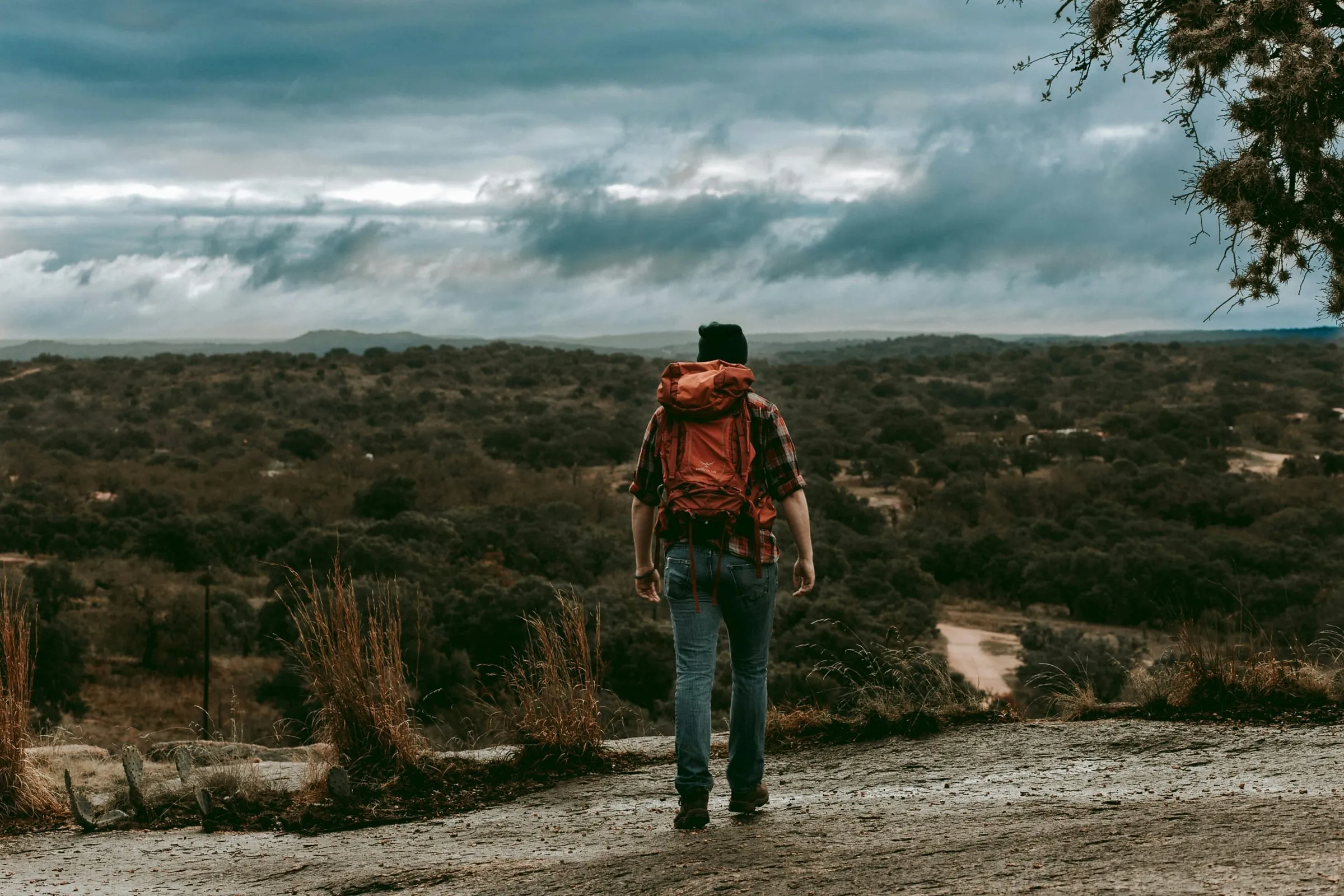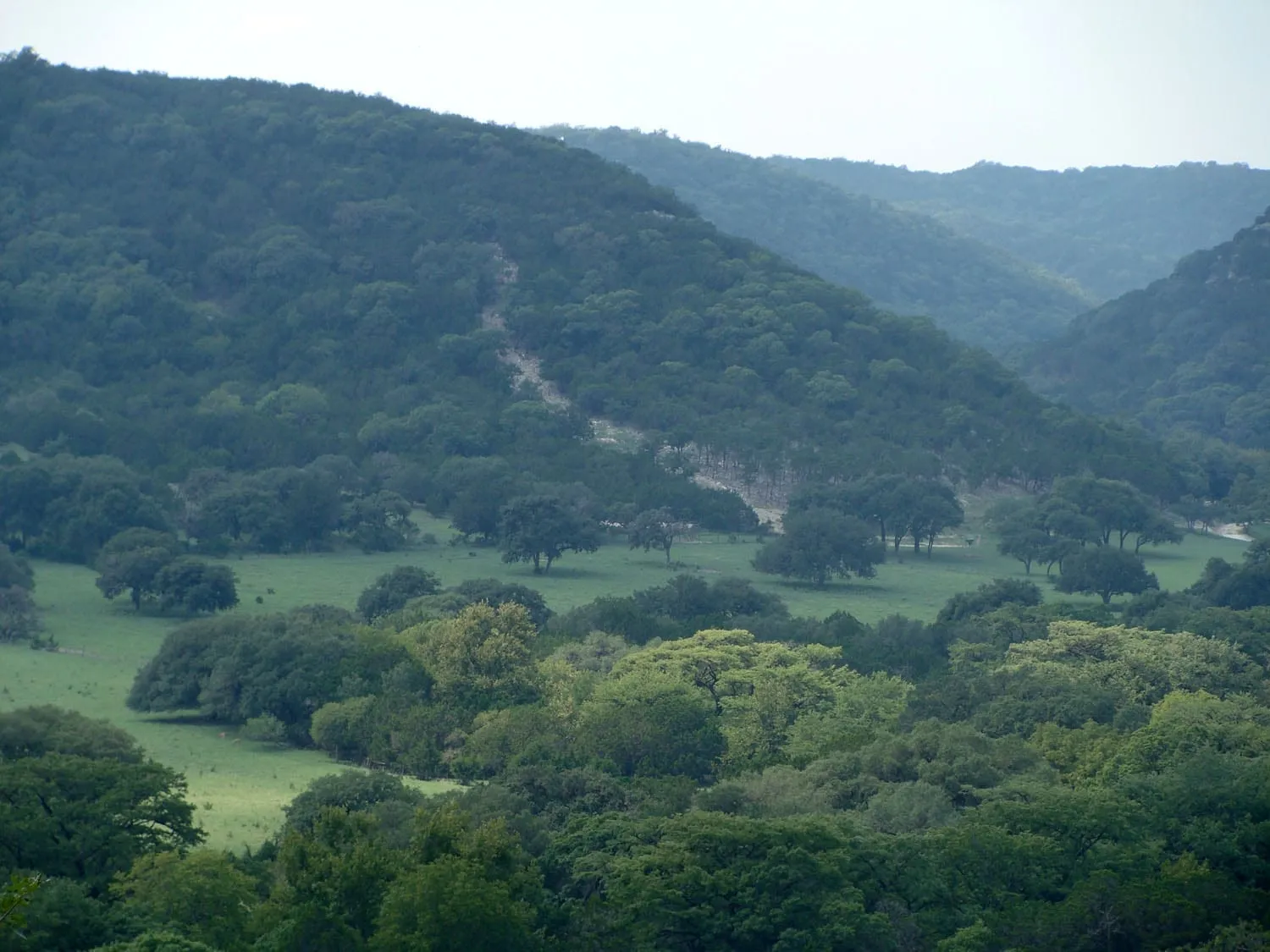
Most hiking shoe guides are written for mountains, mud, and rain. The Hill Country is rock, heat, and the occasional wet crossing.
The terrain here is granite slabs, baked limestone, loose caliche, and creek edges in sandal weather. The main problem is not cold. It is traction on smooth rock and how much heat your feet can handle over a hot morning. A waterproof boot that makes sense in the Cascades can feel miserable at Enchanted Rock in August. A road shoe with weak grip can feel sketchy the first time limestone gets wet.
This guide stays local: three useful categories, three named picks, and a clear way to think about what Hill Country trails actually ask from your shoes.
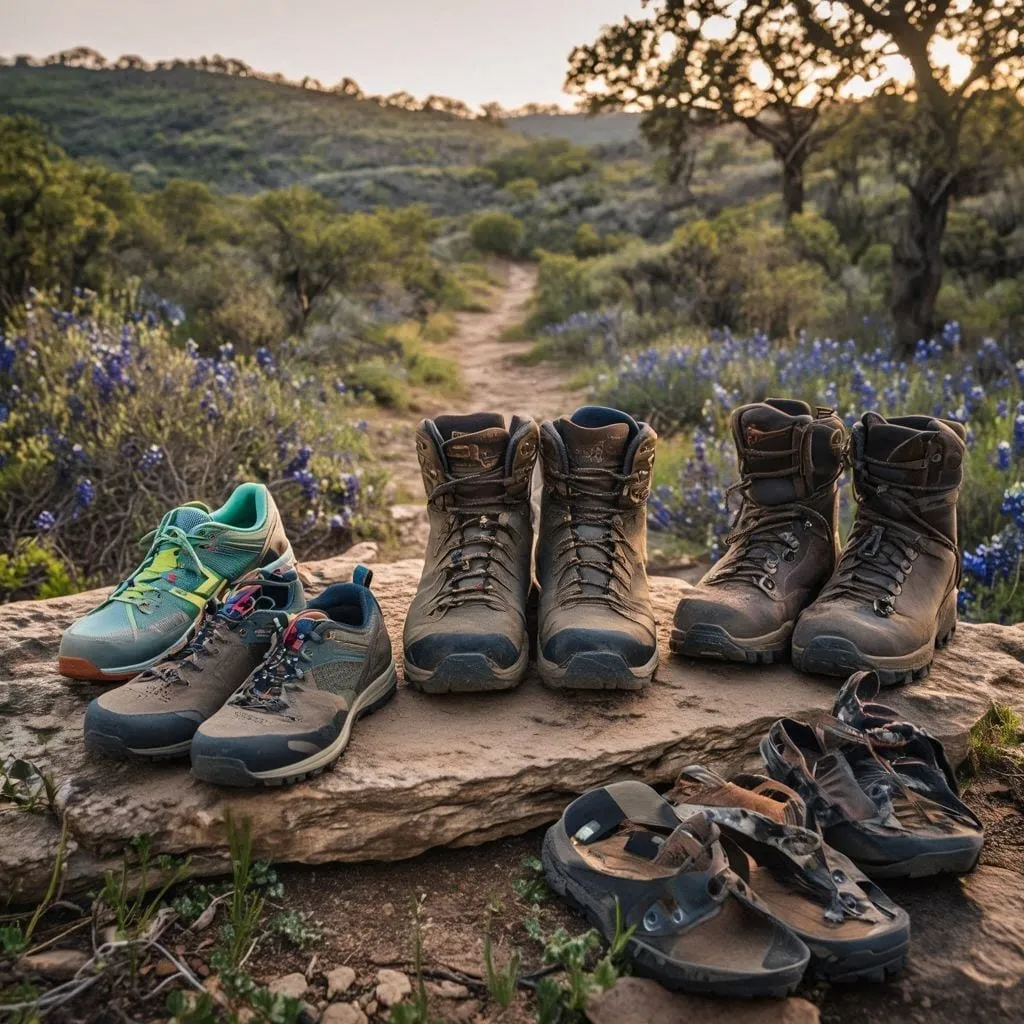
Best Hiking Shoe Recommendations for Central Texas
| Pick | Category | Best For | Hill Country Match |
|---|---|---|---|
| Merrell Moab 3 | Low hiker / mid | Most day hikers; first-time Hill Country visitors | Granite, limestone, mixed trails — the safe default |
| KEEN Targhee IV Mid | Supportive mid | Longer days, rougher terrain, hikers wanting more structure | Rocky limestone, Lost Maples-style climbs |
| Altra Lone Peak 9 | Trail runner | Experienced hikers; dry-weather days; heat-sensitive feet | Fast dry-weather days; not ideal for occasional or new hikers |
All three are proven shoes with different tradeoffs. The right one depends on your trail, your experience level, and how much heat you’re willing to trade for support. The sections below break down why.
What Hill Country Terrain Actually Requires
Before you pick a shoe, it helps to know what you’re walking on.
Enchanted Rock State Natural Area is the clearest example. The summit is exposed pink granite: smooth in some places, rough in others, and slick when damp. TPWD’s own guided summit hike guidance calls for hiking boots or shoes with good tread. That is the key point. You need solid grip on rock, not just a comfortable athletic shoe.
Pedernales Falls is limestone country: harder edges, more variable footing, and river access that makes wet-shoe management part of the day. The rock surface near the river is often slick. Gaps between boulders catch feet. The combination of hiking and water recreation on the same visit makes drainage and quick-dry properties more relevant here than at a purely upland park. Our complete Pedernales Falls guide is the clearest place to understand the full hike-plus-water setup.
Lost Maples State Natural Area adds steeper climbing and longer trail distances to the mix. It’s less “dome stroll” and more full day hike, which shifts the calculus toward support, especially if your ankles have opinions.
Across all three: traction is the baseline requirement, breathability matters more than waterproofing most of the year, and toe protection beats high-cuff mountaineering support for the vast majority of what people actually do out here.
Choosing Between Hiking Shoes, Boots, and Trail Runners
Low Hiking Shoe: The Right Answer for Most People
A low hiking shoe (cut at or below the ankle, with a grippy rubber sole) handles the widest range of Hill Country trail types without punishing you with heat. It’s not the lightest option, but it’s the safest default if you don’t already have strong footwear preferences.
The Merrell Moab 3 is the standard reference point in this category for a reason. It has the outsole grip needed for granite and limestone, enough structure to handle a few miles of rocky trail without fatigue, and a fit that most hikers find intuitive without a lengthy break-in period. For 2026, the Moab 3 is frequently on clearance (~$60–$100) as the Moab 4 enters the market, making it an exceptional value for new hikers.
The summit approach at Enchanted Rock is 0.6 miles with 425 feet of gain. Short, but steep and exposed. A low hiking shoe handles it cleanly. The descent is where grip pays off the most.
Supportive Mid: When the Trail Gets Serious
A mid-height boot makes more sense when the hike is long, the terrain is rocky and uneven, or your ankles need help that a low shoe doesn’t provide. Lost Maples is the Hill Country case where this argument gets strongest. The trails there have steep grade changes and rocky footing that accumulates over a full day.
Waterproofing in a mid also becomes more defensible here than in summer heat. Shoulder season (roughly October through April) is when waterproof membranes go from drag to asset, and the KEEN Targhee IV Mid (~$140–$170) sits in that territory. It’s built for structure and industry-leading toe protection, it handles wet creek crossings better than a low shoe, and it’s more comfortable over long rocky miles for hikers who carry any extra pack weight.
Trail Runner: Lighter, Cooler, Not for Everyone
Trail runners work well in the Hill Country for the same reason road running shoes don’t: they’re built for off-pavement traction and quick movement without the weight and heat of a hiking boot. On a dry summer morning at Enchanted Rock, a good trail runner with a grippy outsole and a wide toe box runs cooler than any mid and handles the granite reasonably well.
The Altra Lone Peak 9 (~$150) is the reference pick here. It has enough outsole contact for rocky surfaces, a wider platform that helps on uneven ground, and a fit that works for longer days without cramping toes at the tip. The zero-drop geometry takes some adjustment if you’re used to traditional hiking shoes.
Trail runners reward hikers who already know they like less shoe. They are usually not the best first answer for occasional hikers, or for anyone who wants meaningful ankle support. If you are unsure, start with the low hiking shoe.
Do You Need Waterproof Hiking Boots in Texas?
Waterproofing is a common point of confusion for Texas hikers.
Waterproof membranes trap heat. That’s a worthwhile trade when you’re crossing cold streams in October or hiking in rain. It’s a bad trade on a 95°F afternoon in June when the only water you’ll encounter is what you pour over your head. Sweaty feet in a sealed waterproof boot don’t dry out between steps. They just stay wet and warm.
For spring through early fall hiking at Enchanted Rock or Pedernales Falls, a non-waterproof mesh version of a good hiking shoe (more breathable, faster drying) is often the smarter choice. Waterproof mid boots earn their keep in the cooler months and on rainy-day visits to Lost Maples, where the canopy trail holds moisture longer.
The rule of thumb: if you’re going in summer, lean toward mesh. If you’re doing creek crossings and you care about dry feet, the waterproof version makes sense. If you’re in between, buy the breathable version and accept that wet shoes dry faster than hot shoes cool down.
Socks, Fit, and the Details That Matter More Than Brand
A great shoe with cheap cotton socks will still give you blisters. The sock question is worth 30 seconds.
Wool or synthetic trail socks (merino wool in particular) handle sweat better than cotton and cushion better against rocky terrain. Any dedicated trail sock is better than a gym sock. Blisters on a granite dome are not a small thing when you still have descent left.
Fit beats brand loyalty. If the Merrell runs narrow and you have wide feet, the KEEN with its naturally roomier build is the better answer regardless of what any list recommends. Try them on with the socks you’ll actually wear. Shop at the end of the day when your feet have expanded. That’s where the shoe industry’s conventional wisdom is actually right.
Break in new shoes before a major hike. Two or three shorter walks to soften the footbed makes a big difference on a four-hour loop.
When to Replace Your Hiking Shoes
The outsole tells the story. Turn the shoe over and look at the heel and ball of the foot. If the lugs are worn smooth, the traction you’re counting on at Enchanted Rock isn’t there anymore. That’s a shoe that’s done its job.
Midsole compression is the less visible failure mode. If a shoe that used to feel cushioned now transmits every rock through to your foot, the foam has packed out. Rather than counting miles, pay attention to visible outsole wear, creasing in the midsole foam, and how your knees and hips feel at the end of a longer day. That’s often the first signal that underfoot support has quietly quit on you.
Dry shoes between uses. Hill Country heat is actually helpful here. A post-hike afternoon outside moves moisture out fast. Don’t put them directly on a heat source; it degrades the adhesive. Just let them breathe.
What Shoes to Wear for Specific Hill Country Hikes
- Enchanted Rock summit: Low hiking shoe or trail runner with solid grip. The granite demands traction, not warmth. Full park guide here.
- Pedernales Falls day hike: Low hiker that dries quickly. If you’re planning to wade or swim, the non-waterproof mesh version wins. Full park guide here.
- Lost Maples full-day loop: This is where the mid earns its keep, especially in fall when the creek crossings are up and the trail runs long. See the Lost Maples hiking guide for trail details.
- Short or easy Hill Country trails: A good low hiker is overkill on nothing. Trail runners or low hikers both work. The best easy hikes in the Hill Country covers the shorter end of the spectrum if you’re picking by effort level.
More Gear for Your Hill Country Hike
Shoes solve the traction and support problem. They don’t solve the heat and hydration problem, which in the Hill Country matters just as much.
If you’re still building the rest of the setup, our water bottle and hydration pack guide covers how to size your carry for exposed Texas trails. Sunscreen, a brimmed hat, and solid footwear are the three items that most change the outcome of a Hill Country day hike. Start there before you worry about anything else.